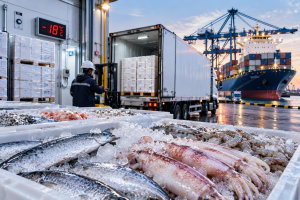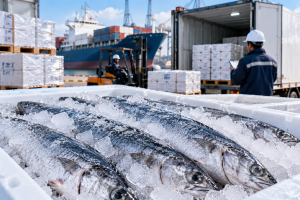

Top 5 Frozen Seafood Products Exported from Indonesia – Indonesia stands as one of the world’s leading frozen seafood exporters, known for its rich marine biodiversity and reliable cold-chain processing.
With over 17,000 islands and strategic access to both the Pacific and Indian Oceans, Indonesia supplies high-quality fish and seafood products to major markets such as Korea, Vietnam, Indonesia, and more.
As a frozen seafood exporter from Indonesia, companies like SAM2BER have established long-term partnerships with global importers, restaurants, and food distributors. Supported by HACCP-certified seafood factories, Indonesian suppliers continue to meet international standards for freshness, safety, and quality.
In this article, we highlight the Top 5 frozen seafood products exported from Indonesia, their unique qualities, and why international buyers consistently prefer them.
1. Frozen Tuna — Indonesia’s Flagship Export Product
Tuna is the most exported fish species from Indonesia, contributing significantly to the country’s seafood export volume.
From yellowfin tuna to skipjack and albacore, Indonesia supplies a wide range of frozen tuna products to global buyers.
Most frozen tuna exports are processed using advanced IQF (Individual Quick Freezing) technology to maintain texture and taste.
This ensures the fish arrives at international destinations — including Korea, Japan, and the EU — in perfect condition.
Why buyers choose Indonesian frozen tuna:
- Abundant natural supply from tropical waters.
- Stringent quality control and traceability.
- Flexible product forms (whole, loin, saku, fillet).
- Competitive pricing for large-volume imports.
2. Frozen Shrimp — A Global Favorite
Shrimp is one of the most popular seafood products in the global market, and Indonesia is among the top producers and exporters.
The main exported varieties include Vannamei shrimp (white shrimp) and black tiger shrimp, available in frozen raw or cooked forms.
Indonesian frozen shrimp exporters adhere to international standards such as HACCP, BAP, and EU approval to ensure safety and consistency.
The shrimp are farmed or caught sustainably, processed quickly, and packed according to buyer specifications.
Why importers prefer Indonesian shrimp:
- Excellent texture and sweet natural flavor.
- High compliance with food safety regulations.
- Stable supply chain from certified aquaculture farms.
- Custom packaging for retail and food-service buyers.
3. Frozen Squid — Versatile and High Demand in Asia
Frozen squid (오징어) is another major Indonesian seafood export, highly demanded in Korea, Japan, and Vietnam.
Known for its tender texture and mild taste, Indonesian squid is ideal for both home cooking and industrial food processing.
Exporters like SAM2BER supply various squid types such as Loligo squid, cuttlefish, and baby squid, all processed in HACCP-certified factories with quick-freezing methods to lock in freshness.
Advantages of importing frozen squid from Indonesia:
- Naturally abundant resources with year-round availability.
- Strict temperature control during processing and shipment.
- Tailored size and packaging based on market demand.
- Excellent compatibility for re-exporting industries in Vietnam and China.
4. Frozen Crab and Lobster — Premium Export Category
Crab and lobster are part of Indonesia’s premium seafood export segment, targeted mainly at restaurants, hotels, and gourmet distributors.
Frozen blue crab, mud crab, and spiny lobster are particularly popular due to their taste, meat quality, and competitive pricing compared to other regions.
Most frozen crab products are supplied in cleaned or cooked form (ready-to-use), meeting the needs of global buyers who value convenience and hygiene.
Why Indonesian frozen crab & lobster are competitive:
- Sustainable wild-caught sources.
- Efficient processing facilities near coastal areas.
- Certification and documentation for export (Health Certificate, HACCP, GMP).
- Flexibility in MOQ (Minimum Order Quantity) for B2B buyers.
5. Frozen Mackerel and Mixed Fish — High Volume Export
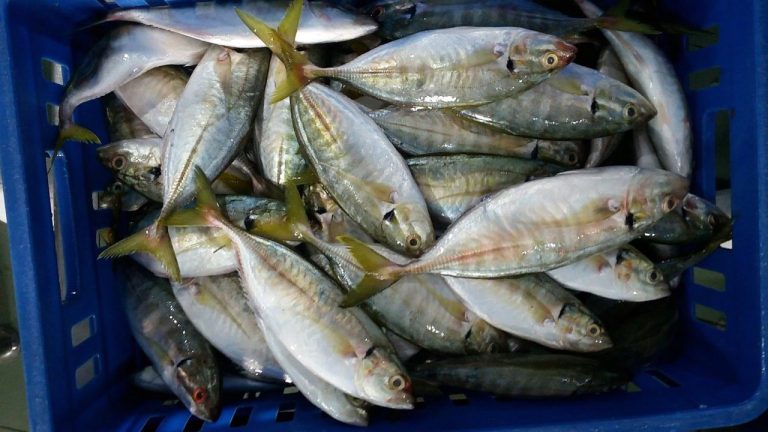
Frozen mackerel (고등어) and other small pelagic fish such as sardines, tilapia, and snapper make up a large portion of Indonesia’s export volume.
These products are valued for their affordability, high protein content, and consistent quality.
Indonesia exports frozen mackerel mainly to Korea, China, the Philippines, and Africa, both as whole round and fillet form.
For importers and food processors, Indonesian mackerel offers a great balance between quality and cost efficiency.
Reasons to import frozen mackerel from Indonesia:
- Year-round availability due to large natural stock.
- Flexible size grading and packaging.
- Stable cold-chain logistics via major seaports like Surabaya and Bitung.
- Government support for sustainable fisheries.
Conclusion: Indonesia’s Competitive Edge in Global Frozen Seafood
Indonesia continues to strengthen its position as a leading frozen seafood exporter in Asia and beyond.
Thanks to its vast marine resources, modern processing technology, and international certifications such as HACCP, GMP, and EU approval, the country offers a reliable and sustainable seafood supply chain.
For global importers, restaurants, and distributors, sourcing from Indonesia’s trusted seafood companies like SAM2BER means access to high-quality frozen fish, shrimp, squid, crab, and more — all produced with professionalism and integrity.
Indonesia’s frozen seafood industry is not just about export — it’s about trust, quality, and long-term partnership.