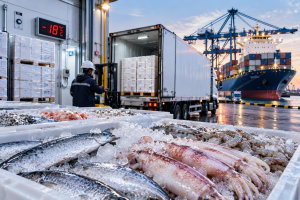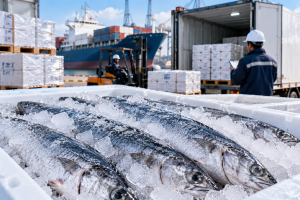
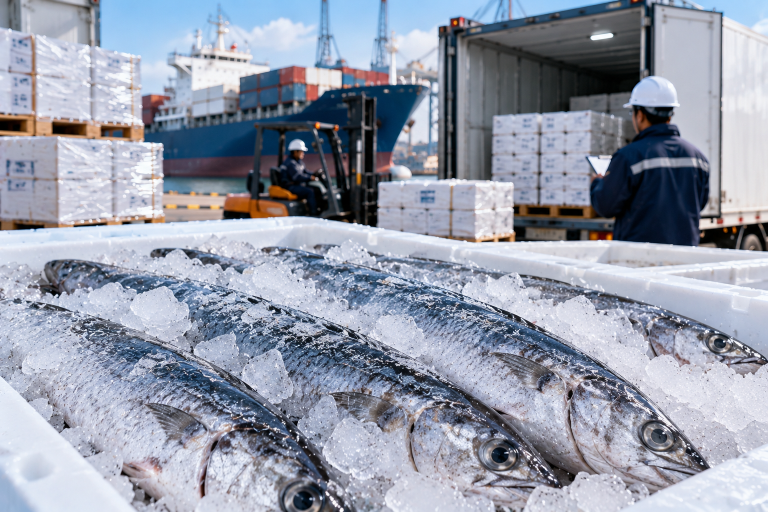

Importing frozen fish in bulk can provide valuable sourcing opportunities for seafood distributors, wholesalers, and food processing companies.
However, international seafood purchasing involves several important considerations, including product quality, supplier reliability, documentation, and logistics.
Understanding common importing mistakes can help businesses reduce operational risks and make better purchasing decisions.
1. Choosing Suppliers Based Only on Price
One common mistake is selecting a frozen seafood supplier solely because of low prices.
Although pricing is important, buyers should also evaluate product specifications, processing standards, shipping arrangements, and supplier communication.
Lower purchasing prices do not always translate into lower total importing costs.
2. Ignoring Product Specifications
Frozen fish products may differ significantly in species, size, grading, processing methods, and packaging.
Before confirming orders, importers should request detailed specifications.
Important information includes:
- Fish species and scientific name.
- Product size and weight.
- Freezing method.
- Net weight and glazing percentage.
- Packaging and labeling requirements.
Clear specifications help prevent disputes regarding product expectations.
3. Overlooking Cold Chain Requirements
Proper temperature management is essential when transporting frozen seafood internationally.
Inadequate refrigeration, prolonged loading delays, or temperature fluctuations can affect product quality.
Importers should coordinate with exporters and logistics providers to confirm suitable refrigerated transportation arrangements.
4. Failing to Verify Import Documentation
International frozen fish shipments may require specific documents and regulatory approvals.
Depending on the destination, these may include commercial invoices, packing lists, health certificates, and certificates of origin.
Missing or incorrect documentation may create customs clearance problems and shipping delays.
Buyers should verify applicable requirements before shipment.
5. Not Evaluating Supplier Communication
Clear communication is important when coordinating international seafood orders.
Importers should discuss product availability, payment terms, shipping responsibilities, estimated delivery schedules, and inspection procedures.
Written agreements help both parties understand their responsibilities.
How to Find a Suitable Frozen Fish Supplier
Businesses searching for an Indonesian frozen fish exporter can explore the seafood products offered by Samudera Samanea Berkah.
Before making purchasing commitments, international buyers should verify product specifications, order quantities, and commercial terms.
Conclusion
Importing frozen fish in bulk requires careful planning and supplier evaluation.
By avoiding common mistakes related to pricing, product specifications, logistics, and documentation, seafood businesses can develop more reliable international sourcing processes.