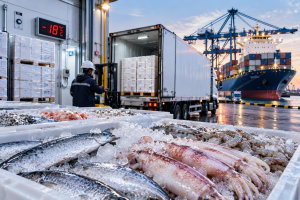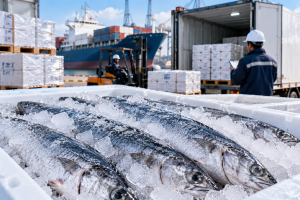
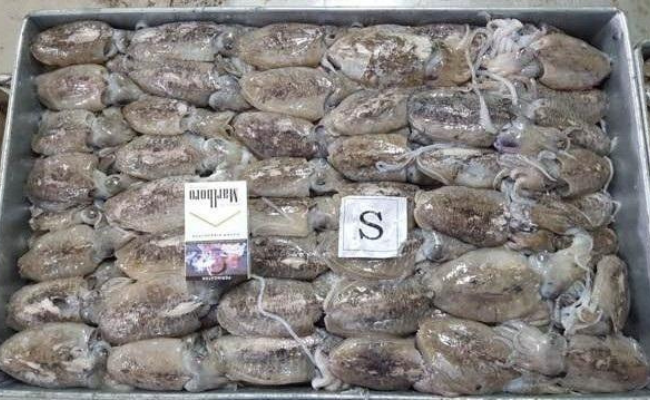

Finding a reliable frozen fish exporter in Indonesia is an important decision for seafood importers, wholesalers, distributors, and food service businesses. The right export partner can help maintain product quality, ensure clear communication, and reduce potential problems during the purchasing and shipping process.
Indonesia offers a wide range of marine products, but buyers should carefully evaluate each supplier before placing a bulk order.
Check the Available Frozen Fish Products
Begin by reviewing the exporter’s product selection. A professional supplier should provide clear information about the types of frozen fish available, including species, product form, size, grade, and packaging.
Depending on market requirements, frozen fish may be supplied as:
- Whole round
- Gutted fish
- Headless fish
- Fillets
- Steaks
- Individually quick frozen products
- Block-frozen products
Ask whether the supplier can accommodate specific sizes, cuts, glazing percentages, or packaging requirements. Detailed product specifications help prevent misunderstandings before production begins.
Review Quality and Food Safety Procedures
Quality control is one of the most important factors when choosing an Indonesian frozen fish exporter. Seafood must be handled properly from sourcing and processing to freezing, storage, and shipment.
A reliable exporter should be able to explain:
- How raw materials are selected
- How the fish is cleaned and processed
- Which freezing method is used
- How storage temperatures are maintained
- How products are inspected before shipping
Buyers should also request information about available certifications, processing facilities, and food safety standards. These details help determine whether the exporter can meet the requirements of the destination market.
Evaluate Cold Chain Management
Frozen fish must remain at a controlled temperature throughout the supply chain. Temperature fluctuations can affect texture, freshness, shelf life, and overall product quality.
Ask the exporter how products are stored before loading and how refrigerated containers are prepared. A dependable frozen seafood supplier in Indonesia should understand the importance of cold storage, container loading, temperature monitoring, and international transportation procedures.
Good cold chain management helps products arrive in stable condition after long-distance shipping.
Assess Communication and Transparency
International seafood trading requires clear and responsive communication. Buyers need accurate updates about product availability, production schedules, documents, shipment dates, and possible delays.
Choose an exporter that provides complete quotations and answers technical questions clearly. Before confirming an order, make sure the quotation explains:
- Product specifications
- Order quantity
- Price terms
- Packaging details
- Production lead time
- Payment terms
- Port of loading
- Shipping terms
Transparent communication reduces commercial risks and supports a smoother purchasing process.
Request Samples or Product Documentation
For new business relationships, buyers may request product photos, videos, specification sheets, packaging details, or samples when possible. These materials help confirm whether the frozen fish matches the expected market standard.
Buyers can also ask about previous export experience and destination countries. An exporter familiar with international orders is generally better prepared to manage documentation and shipping coordination.
Work with SAM2BER
SAM2BER supplies Indonesian frozen seafood for importers, distributors, wholesalers, restaurants, and other international buyers. Product specifications, packaging, availability, and export requirements can be discussed directly with the team.
Visit the official SAM2BER frozen seafood supplier website to learn more about available products and submit a business inquiry.
Conclusion
Choosing a reliable frozen fish exporter in Indonesia requires more than comparing prices. Buyers should examine product specifications, quality control, cold chain procedures, certifications, export experience, and communication standards.
A careful supplier evaluation can help protect product quality and support a dependable long-term seafood supply. By working with a transparent and experienced exporter, global buyers can source Indonesian frozen fish with greater confidence.