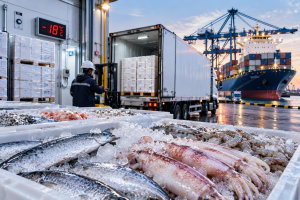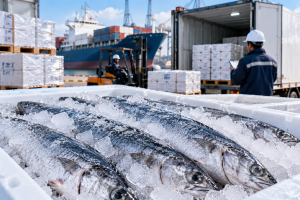

Food safety is a major consideration when importing frozen seafood. Products often travel long distances and pass through several stages, including processing, freezing, storage, container loading, and international transportation. For this reason, working with a HACCP certified seafood supplier can help importers manage quality and food safety risks more effectively.
HACCP, or Hazard Analysis and Critical Control Points, is a preventive food safety system designed to identify, evaluate, and control potential hazards during food production.
Why HACCP Matters in Seafood Processing
Seafood is a temperature-sensitive product. Improper handling may affect its freshness, texture, shelf life, and safety. HACCP procedures help processing facilities identify critical stages where biological, chemical, or physical hazards may occur.
These stages may include:
- Raw material receiving
- Washing and cleaning
- Cutting or processing
- Freezing
- Cold storage
- Packaging
- Container loading
Each critical point should be monitored according to established procedures. Corrective actions must also be prepared when processing conditions do not meet the required standards.
For international importers, this structured system provides greater confidence that frozen seafood has been handled through controlled and documented processes.
Benefits for International Importers
Choosing a HACCP certified seafood supplier offers several advantages for seafood importers, distributors, wholesalers, and food service companies.
First, HACCP supports consistent food safety practices. Instead of relying only on final product inspection, the system focuses on preventing potential problems throughout production.
Second, documented procedures can make supplier evaluations more efficient. Buyers may request information about processing flow, temperature control, sanitation, traceability, product inspections, and corrective actions.
Third, working with a supplier familiar with international food safety requirements can simplify communication. This is particularly important when buyers need specific documents, product labels, packaging formats, or destination-market compliance.
However, importers should still verify whether the supplier’s certification, processing facility, and product scope match their purchasing requirements.
Questions Buyers Should Ask
Before confirming an order, importers should request clear information regarding the seafood products and the facility responsible for processing them.
Useful questions include:
- Which processing facility handles the products?
- Is the HACCP certificate currently valid?
- Which products are included within the certification scope?
- How are storage temperatures monitored?
- Is product traceability available?
- What quality checks are conducted before shipment?
- Which export documents can be provided?
Buyers should also confirm product specifications such as species, size, grade, product form, freezing method, glazing percentage, net weight, packaging, minimum order quantity, and lead time.
These details are essential because HACCP certification does not replace the need for accurate commercial and technical specifications.
Cold Chain Management Remains Essential
HACCP procedures should be supported by reliable cold chain management. Frozen seafood must remain at an appropriate temperature from processing until it reaches the destination.
Exporters should coordinate cold storage, refrigerated container preparation, loading procedures, and transportation carefully. Secure packaging is also necessary to protect products from physical damage and temperature exposure during handling.
Importers should discuss these procedures before production begins, especially for container-sized or recurring wholesale orders.
Source Indonesian Frozen Seafood with SAM2BER
SAM2BER supplies Indonesian frozen seafood for international importers, distributors, wholesalers, and seafood businesses. Buyers can discuss product availability, specifications, packaging requirements, order quantities, quality documentation, and shipment needs directly with the team.
Visit the official SAM2BER frozen seafood supplier website to explore available products and submit an international business inquiry.
Conclusion
A HACCP certified seafood supplier can help international importers improve food safety assurance, supplier transparency, and quality control. However, buyers should verify the certification scope, processing procedures, cold chain system, product specifications, and export documentation before placing an order.
Careful supplier evaluation supports safer seafood sourcing and helps build a more reliable long-term import partnership.