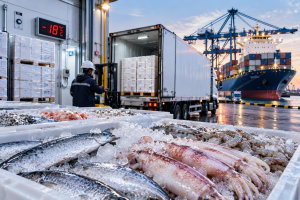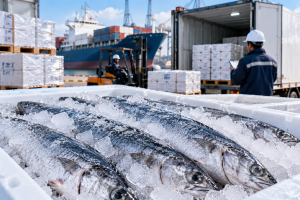
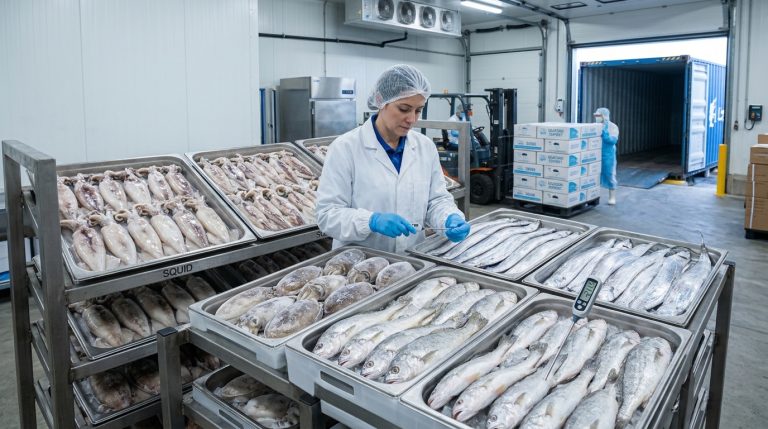

Purchasing high quality frozen fish is essential for seafood importers, distributors, restaurants, and food processing businesses.
Product quality can affect customer satisfaction, processing efficiency, and business profitability.
Before placing a large wholesale order, buyers should evaluate several important characteristics to ensure frozen fish meets their commercial requirements.
1. Examine the Fish Appearance
Visual inspection is an important step when evaluating frozen fish.
Depending on the species and processing method, buyers should look for appropriate natural coloration, intact product structure, and consistent presentation.
Unusual discoloration, extensive dehydration, or significant physical damage may indicate quality concerns.
However, appearance alone cannot confirm seafood safety.
2. Check Packaging Conditions
Packaging helps protect frozen fish during storage and transportation.
Before purchasing, inspect packaging for:
- Tears or damaged seals.
- Excessive frost accumulation.
- Signs of product dehydration.
- Incorrect product labels.
- Inconsistent package weights.
Excessive ice crystals can sometimes indicate prolonged storage or temperature fluctuations.
3. Verify Storage Temperature
Proper frozen storage is essential for maintaining seafood quality.
Many commercial frozen fish products are stored at -18°C or below, although specific requirements depend on the product and applicable standards.
Buyers should ask suppliers about cold storage procedures and temperature monitoring during transportation.
4. Review Product Specifications
Wholesale seafood buyers should request detailed product specifications before placing orders.
Important details include:
- Fish species and scientific name.
- Product size and grading.
- Whole fish or processed format.
- Net weight and glazing percentage.
- Freezing method.
- Packaging specifications.
Clear product information helps buyers compare supplier quotations more accurately.
5. Evaluate the Supplier’s Reliability
Selecting a suitable supplier is just as important as inspecting the seafood itself.
Reliable suppliers should provide clear product information, appropriate documentation, and transparent communication regarding order requirements.
Businesses searching for high quality frozen fish from Indonesia can explore the frozen seafood product range offered by Samudera Samanea Berkah.
Buyers can request additional product details before making purchasing decisions.
Conclusion
Identifying high quality frozen fish requires evaluating appearance, packaging, temperature management, product specifications, and supplier practices.
By conducting appropriate checks before bulk purchasing, seafood businesses can make more informed sourcing decisions and reduce the risk of receiving products that do not meet their requirements.