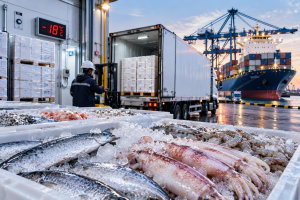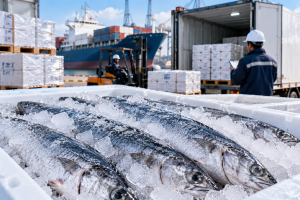

International seafood buyers expect products that meet applicable food safety regulations, quality specifications, and import requirements.
For an Indonesian seafood exporter, maintaining appropriate quality management practices is essential when supplying frozen fish and seafood products to overseas markets.
Understanding these practices can help international importers evaluate suppliers and establish more reliable business relationships.
Understanding International Seafood Quality Standards
Seafood quality standards address several aspects of product safety, processing, storage, and distribution.
Requirements may differ depending on the destination country, seafood species, and processing methods.
Exporters must understand applicable regulations and ensure that products meet relevant market requirements.
HACCP and Food Safety Management
Hazard Analysis and Critical Control Points (HACCP) is a widely recognized approach to food safety management.
HACCP-based systems help seafood processors identify and control significant biological, chemical, and physical hazards.
Important areas of food safety management may include:
- Raw material inspection.
- Hygienic processing practices.
- Temperature management.
- Equipment sanitation.
- Prevention of cross-contamination.
- Monitoring and documentation.
Appropriate food safety procedures help businesses address potential hazards during seafood processing.
Frozen Seafood Processing and Storage
Freezing is an important preservation method for seafood intended for international distribution.
Proper freezing methods and controlled storage conditions help maintain product characteristics during transportation.
Seafood businesses should also use suitable packaging and handling procedures to reduce product damage and quality deterioration.
Product Inspection and Documentation
International buyers often request product specifications and supporting documents before confirming orders.
Depending on regulatory and commercial requirements, documentation may include:
- Product specification sheets.
- Applicable food safety certificates.
- Commercial invoices.
- Packing lists.
- Health certificates.
- Export and origin documentation.
Buyers should verify relevant documents and confirm requirements with the appropriate authorities.
Choosing an Indonesian Seafood Exporter
Supplier selection should involve evaluating product availability, quality management practices, communication, and export capabilities.
Samudera Samanea Berkah is an Indonesian seafood company offering various frozen seafood products for international buyers.
Prospective customers can explore its product selection and review the certification information presented on its website.
Conclusion
Meeting international seafood quality standards requires attention to food safety, processing procedures, temperature management, and export documentation.
By understanding these requirements, seafood importers can evaluate Indonesian exporters more effectively and make informed purchasing decisions.
Yoast SEO
Focus Keyword: Indonesian Seafood Exporter
Meta Description: Learn how Indonesian seafood exporters address international quality standards through HACCP, seafood processing, quality inspections, and export documentation.
Slug: indonesian-seafood-exporter-quality-standards