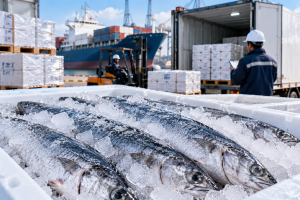
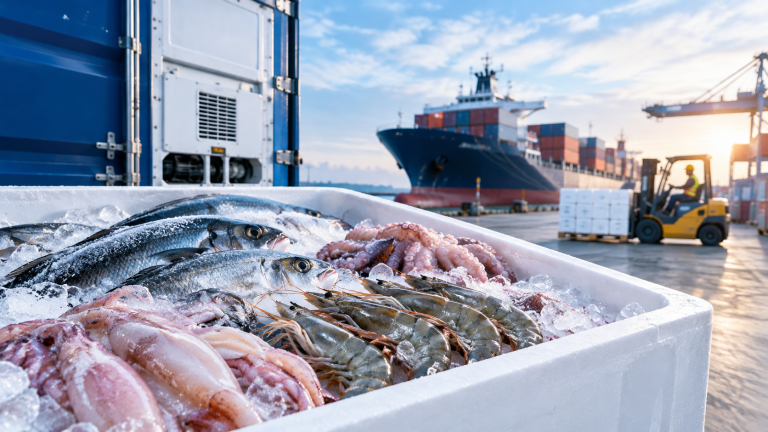

Importing frozen seafood from Indonesia offers international businesses access to a diverse range of marine products. From frozen squid and cuttlefish to various frozen fish species, Indonesian seafood products serve different wholesale and distribution markets.
However, successful seafood importing requires careful preparation, supplier evaluation, and an understanding of international shipping requirements.
Understand Your Seafood Import Requirements
Before purchasing seafood from Indonesia, importers should identify their specific product requirements.
Important considerations include:
- Seafood species and product type
- Required size and grading
- Processing and freezing methods
- Packaging specifications
- Order quantity and delivery schedule
Defining these requirements helps suppliers prepare accurate quotations and product information.
Find a Suitable Indonesian Seafood Exporter
Selecting the right exporter is one of the most important stages of the importing process.
Buyers should evaluate a supplier’s product range, processing practices, quality documentation, and export capabilities.
For businesses exploring frozen seafood products from Indonesia, Samudera Samanea Berkah offers a selection of seafood products that international buyers can review according to their purchasing needs.
Verify Import and Export Documentation
International seafood shipments may require various documents depending on the destination country and product category.
Common documents can include:
- Commercial invoice
- Packing list
- Bill of lading
- Certificate of origin, when required
- Health certificate or other applicable seafood documentation
Importers should confirm the latest requirements with their customs authorities and relevant food safety agencies before arranging shipments.
Maintain Proper Cold Chain Logistics
Frozen seafood requires appropriate temperature management throughout transportation.
Temperature fluctuations may affect product quality and increase the risk of deterioration.
Importers should coordinate with suppliers and logistics providers to ensure suitable frozen storage, refrigerated container arrangements, and temperature monitoring.
Confirm Payment and Shipping Terms
Before finalizing an order, both parties should agree on payment conditions, shipping responsibilities, delivery timelines, and applicable Incoterms.
Clearly documented commercial terms can help minimize disputes and support smoother international transactions.
Conclusion
Importing frozen seafood from Indonesia involves more than selecting products and arranging transportation.
By understanding product specifications, verifying documentation, maintaining appropriate cold chain conditions, and choosing a suitable exporter, international buyers can establish a more organized seafood import process.