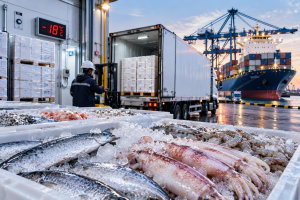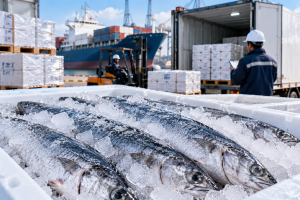
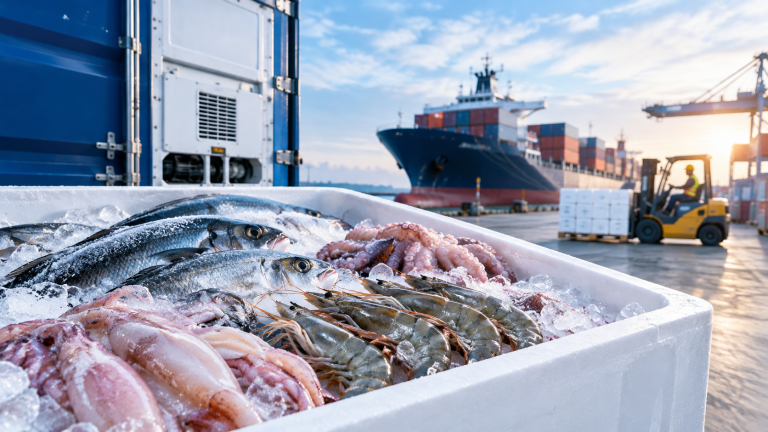

Maintaining seafood quality during international transportation is essential for exporters, importers, and wholesale distributors. Frozen seafood often travels long distances before reaching its destination, making proper storage, handling, and temperature management important throughout the shipping process.
Effective frozen seafood quality control helps protect product characteristics, minimize deterioration, and support compliance with international food safety requirements.
The Importance of Proper Freezing
The quality preservation process begins before seafood is shipped.
Seafood should be handled hygienically and frozen using methods appropriate for the product. Rapid freezing can help reduce the formation of large ice crystals, which may otherwise affect texture when the product is thawed.
Proper freezing also helps preserve the seafood’s natural characteristics during extended storage.
Maintaining Cold Chain Temperature
Cold chain management is one of the most important factors in frozen seafood transportation.
Many frozen seafood products are transported at temperatures of -18°C or below, although specific requirements depend on the product, regulations, and commercial specifications.
Important cold chain practices include:
- Using suitable refrigerated containers.
- Monitoring temperatures during transportation.
- Minimizing temperature fluctuations.
- Maintaining appropriate storage conditions.
- Inspecting refrigerated equipment before shipment.
Maintaining consistent temperatures helps reduce quality loss during international distribution.
Packaging and Product Protection
Appropriate packaging protects frozen seafood from physical damage, dehydration, and contamination.
Exporters may use food-grade packaging materials, protective cartons, and product labeling according to customer requirements.
Packaging should also provide important information such as product identification, net weight, and relevant handling instructions.
Quality Inspection Before Shipment
Before exporting frozen seafood, suppliers should evaluate product condition and confirm that shipping arrangements meet agreed specifications.
Quality inspections may include checking:
- Product appearance and packaging integrity.
- Storage temperatures.
- Product weight and grading.
- Labeling accuracy.
- Applicable export documentation.
These checks support more consistent international seafood shipments.
Choosing a Seafood Exporter
For international buyers, working with a supplier that understands frozen seafood handling is an important sourcing consideration.
Samudera Samanea Berkah offers various frozen seafood products from Indonesia for international buyers to explore.
Buyers can contact the company to discuss available products, specifications, and shipping requirements.
Conclusion
Frozen seafood quality control requires careful management from initial processing through international transportation.
Proper freezing, packaging, temperature monitoring, and product inspections help exporters and importers maintain seafood quality throughout the supply chain.