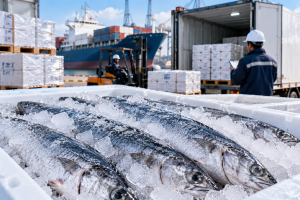


Frozen ribbonfish is a commercially traded seafood product recognized for its elongated body, silver-colored appearance, and distinctive culinary characteristics.
Ribbonfish is available in various seafood markets and can be distributed through wholesale suppliers, importers, and food service businesses.
For international buyers, understanding product specifications and choosing a suitable frozen ribbonfish supplier can help improve purchasing decisions.
What Is Frozen Ribbonfish?
Ribbonfish is a common commercial name used for several long, slender marine fish, including species belonging to the Trichiuridae family.
These fish are known for their flat bodies, reflective silver skin, and relatively firm flesh.
Ribbonfish is sometimes referred to as hairtail or cutlassfish, although commercial naming conventions may vary by region and species.
Freezing enables ribbonfish to be stored and transported for international distribution.
Common Culinary Applications
Ribbonfish is used in various regional seafood dishes, particularly in Asian cuisine.
Depending on local preferences, it may be prepared through:
- Pan-frying
- Grilling
- Steaming
- Cooking with sauces and seasonings
- Other traditional seafood preparations
Its distinctive shape and texture make it suitable for different culinary applications.
Important Wholesale Product Specifications
Before purchasing frozen ribbonfish, seafood importers should confirm the product characteristics required by their markets.
Important specifications include:
- Species and scientific name.
- Fish size and weight range.
- Whole or processed product format.
- Freezing method.
- Packaging specifications.
- Net weight and glazing percentage.
Accurate specifications help buyers communicate their requirements and evaluate supplier quotations.
Storage and International Shipping
Frozen ribbonfish requires appropriate handling and temperature management.
Seafood exporters and logistics providers should maintain suitable frozen storage conditions throughout transportation.
Packaging should protect products against contamination, dehydration, and physical damage.
Importers should also confirm relevant customs and food safety documentation before shipment.
Sourcing Frozen Ribbonfish from Indonesia
Indonesia provides access to various marine fish products for international seafood trade.
Businesses searching for an Indonesian frozen ribbonfish supplier can explore the product range offered by Samudera Samanea Berkah.
Buyers should contact the company to verify available specifications, quantities, and export arrangements.
Conclusion
Frozen ribbonfish offers opportunities for importers, wholesalers, and seafood distributors serving markets where the product is in demand.
Understanding species identification, grading, packaging, and shipping requirements helps buyers organize their purchasing process more effectively.